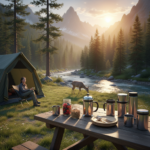
I’ll never forget the morning I woke up at a pristine mountain campsite, unzipped my tent, and saw a deer drinking from a stream. Magic, right? Until I noticed the plastic water bottle someone had left on the shore. That moment stuck with me.
We all head into nature to escape, recharge, find something real. But here’s the uncomfortable truth: we’re loving our wild spaces to death. The good news? You don’t have to choose between outdoor adventures and protecting the planet. Not anymore.
This isn’t another preachy article about what you’re doing wrong. It’s a practical roadmap for camping better—without sacrificing comfort, safety, or fun. Whether you’re car camping with the kids or backpacking solo into the backcountry, sustainable camping is simpler than you think.
Why Your Camping Gear Choices Actually Matter
Look, I get it. When you’re trying to wrangle gear, kids, and a cooler into your car at 5 AM, the environmental impact of your camping setup probably isn’t front of mind.
But here’s what’s happening: national park visitation hit record highs in recent years. More people outdoors sounds great until you realize our favorite spots are getting trampled, literally. Add climate change to the mix, and the alpine meadows and old-growth forests we love are facing unprecedented pressure.
Every campfire you build, every product you use, every piece of trash you generate creates ripples. Small ones, sure. But when millions of us camp every year, those ripples become waves.
Sustainable camping isn’t performative environmentalism. It’s basic stewardship. It’s saying “I want my kids to experience this too.”
Building Your Eco-Friendly Camping Kit (Without Going Broke)
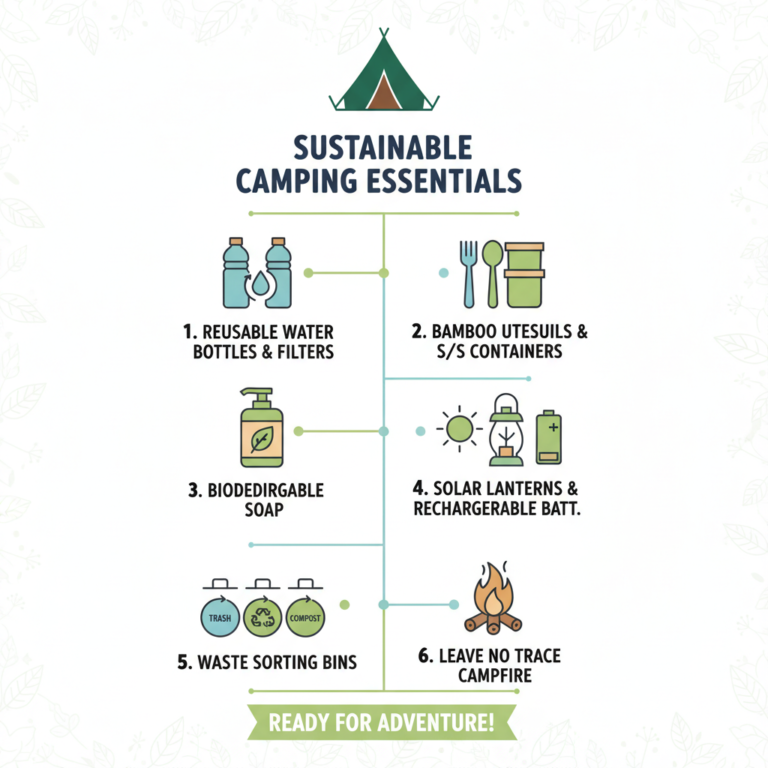
Let’s get practical. You don’t need to drop your life savings at REI to camp responsibly. Start with these essentials.
Ditch the Disposables: Kitchen and Food Storage
Single-use plastics are camping’s worst habit. Paper plates, plastic forks, disposable cups—they seem convenient until you’re stuffing garbage bags full of waste that’ll sit in a landfill for centuries.
Better option? Mason jars. I know, I know—they sound grandma-core. But they’re bombproof, seal tight, and work for everything from overnight oats to leftover chili. Bring a few different sizes. Trust me on this.
Beeswax wraps replace plastic bags for sandwiches and snacks. They smell faintly of honey and fold around food like reusable cling wrap. One set has lasted me three years of regular camping.
For utensils and plates, go stainless steel and bamboo. They’re lightweight, damn near indestructible, and you can actually eat off them without that weird plastic aftertaste. Collapsible silicone bowls and cups pack flat and expand when needed—total game-changer for space-conscious campers.
Water Solutions That Actually Work
Here’s a stat that’ll twist your gut: Americans throw away 35 billion plastic water bottles yearly. A huge chunk comes from outdoor recreation.
A quality reusable water bottle isn’t optional—it’s foundational. Stainless steel insulated bottles keep water cold for 24 hours in summer heat. Size matters too. Go big (32+ ounces) or bring multiple bottles.
Most campgrounds have water spigots. Research before you go. For backcountry trips, pack a portable water filter or purification tablets. Modern filters like LifeStraw or Sawyer can handle thousands of gallons before replacement. They’re light, effective, and eliminate the need to haul heavy water or create plastic waste.
Pro tip: fill your bottles with ice before leaving. You’ll have cold water for hours without needing a cooler.
Personal Care Without the Chemical Footprint
Conventional soap might get you clean, but it’s poisoning the places you camp. Phosphates, synthetic fragrances, and chemical preservatives wreak havoc on aquatic ecosystems. One study found that personal care products were detectable in 80% of stream samples near popular camping areas.
Biodegradable camp soap exists specifically for outdoors use. Dr. Bronner’s, Campsuds, Sea to Summit—pick your poison. They work for dishes, body, even laundry in a pinch.
Critical rule: even biodegradable soap stays 200 feet from water sources. You need to give soil time to filter compounds before they reach streams. Carry water in a collapsible bucket to your washing station.
For toothbrushing, spit spray rather than globbing toothpaste in one spot. Concentrated mint attracts animals (who then get sick from fluoride). Weird detail, huge impact.
Light Without the Battery Graveyard
Disposable batteries are environmental nightmares. They contain heavy metals, leak toxic chemicals, and most end up in landfills.
Rechargeable batteries have come so far. Modern NiMH rechargeable batteries hold charges longer, tolerate more recharge cycles, and perform better in cold weather than older generations. A decent charger and a set of AAs and AAAs will last you years.
Even better? Solar-powered and hand-crank lights eliminate batteries entirely. I’ve used the same solar lantern for five years. Charge it during the day, light your campsite all night. Some models include USB ports to charge phones—bonus functionality.
Headlamps with rechargeable USB batteries are clutch for night hiking and late-night bathroom trips. Charge everything before leaving home, and pack a portable solar panel for longer adventures.
Eco-Friendly Camping Habits That Move the Needle
Gear is one piece. How you camp determines your real impact.
Waste Management That Actually Works
You already know “pack it in, pack it out.” But do you really do it? Every time? Everything?
Set up a three-container system at your campsite: trash, recycling, compost. Most campgrounds handle trash but not recycling or compost. Bring those home.
A sealed compost container with a tight-fitting lid contains odors and keeps critters out. Everything from vegetable scraps to eggshells goes in. Add it to your home compost when you return.
Here’s what blew my mind: when you properly sort, you’ll produce a fraction of the trash you expect. Most of what we think is “trash” is actually recyclable or compostable.
Orange peels, banana skins, apple cores—pack them out. Yes, they’re “natural,” but they don’t belong in ecosystems where they don’t naturally occur. They also attract wildlife to high-traffic areas, which creates dangerous human-animal interactions.
Choosing Campsites Like You Give a Damn
Where you pitch your tent matters more than you think.
Always use established campsites when available. Those worn-down patches exist so fragile vegetation elsewhere doesn’t get destroyed. When you create new campsites in pristine areas, you’re literally killing plants and causing soil erosion that takes years to recover.
The 200-foot rule applies here too: stay that distance from lakes, rivers, and streams. Riparian zones—those green belts between water and upland—are biodiversity hotspots. They filter pollutants, stabilize banks, and provide crucial habitat. Camping too close compacts soil, damages vegetation, and pollutes water.
Avoid setting up in natural depressions. Yeah, they look flat and comfortable. Until it rains and you’re sleeping in a puddle. These low spots are natural drainage channels. Compacting soil there disrupts water flow and creates erosion.
Fire Responsibility Beyond “Don’t Burn Down the Forest”
Campfires are practically sacred to outdoor culture. They’re also frequently mismanaged.
Only build fires where permitted and use existing fire rings. Keep them small—you don’t need a bonfire to roast marshmallows. Never leave fires unattended, and drown them completely before sleeping or leaving. “Dead out” means you can put your bare hand in the ashes.
Buy firewood at your destination. Never transport it from home. Invasive insects like emerald ash borers hitchhike in firewood and destroy entire forest ecosystems. Some states actually fine people for bringing outside wood. The “Don’t Move Firewood” campaign exists for good reason.
Your campfire isn’t an incinerator. Don’t burn plastic, aluminum, food waste, or trash. Burning these materials releases toxic compounds into air and soil. Plus, “burned” aluminum and glass don’t actually disappear—they just become ugly contaminated lumps for someone else to clean up.
Consider skipping the fire entirely sometimes. Modern camp stoves are more efficient for cooking, and honestly? Some of my favorite camping memories happened around lantern light, not flames.
Strategic Timing for Less Impact
Popular destinations get hammered during summer and holidays. Consider shoulder seasons instead—late spring or early fall.
You’ll find fewer crowds, less stressed ecosystems, and often better weather.